Material Sources
for the Book
Living in West Berlin in the 1970’s I met many Berliners who survived the last days of WWII in a beleaguered city. Nothing is more powerful than the survivor’s personal experiences of the era gives the book creditability that no purely research-based novel can equal. Their willingness to share their often sad and harrowing experiences piqued my interest once they were sure that Hitler escaped justice.
I read Hugh Trevor-Roper’s initial report on the alleged suicides and thought it was superficial, written in a matter of weeks; it was a clutter of paragraphs with no credible linkage. His book, ‘The Last Days of Adolf Hitler’ written in 1947 raised further doubts which are explained in more detail in the book. In the following years I have read countless book, articles, television programmes on the last days in the Führerbunker and more recent books questioning the given events of those final three days in Berlin. I owe a debt to the following authors and their books which rekindled my enthusiasm refreshing my memory by recalling earlier conversations with those survivors when at times writing inspiration was required.
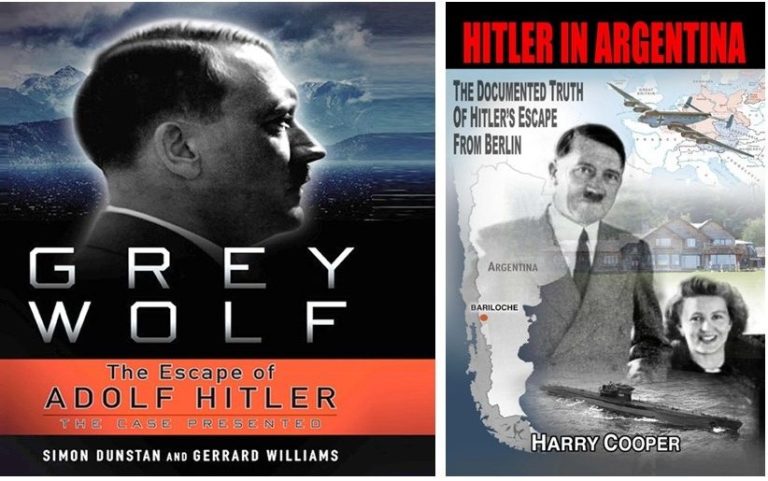
Simon Dunstan and Gerard Williams intriguing and finely detailed book, ‘Grey Wolf. The Escape of Adolf Hitler.’ The sea voyage by submarine was according to several of the survivors, the most likely means of escape.
‘Hitler in Argentina,’ by Harry Cooper, details Hitler and Eva Braun’s life in Argentina including witness statements and reprints of FBI reports alluding that Hitler was alive in Argentina.
I recommend these books to any reader with an interest in the history of the events surrounding the murky events of the last days of WWII.